Custom Cabinet Guide - published guidance, explained without the sales pitch.
Why Custom Cabinets Win in Naperville's Climate
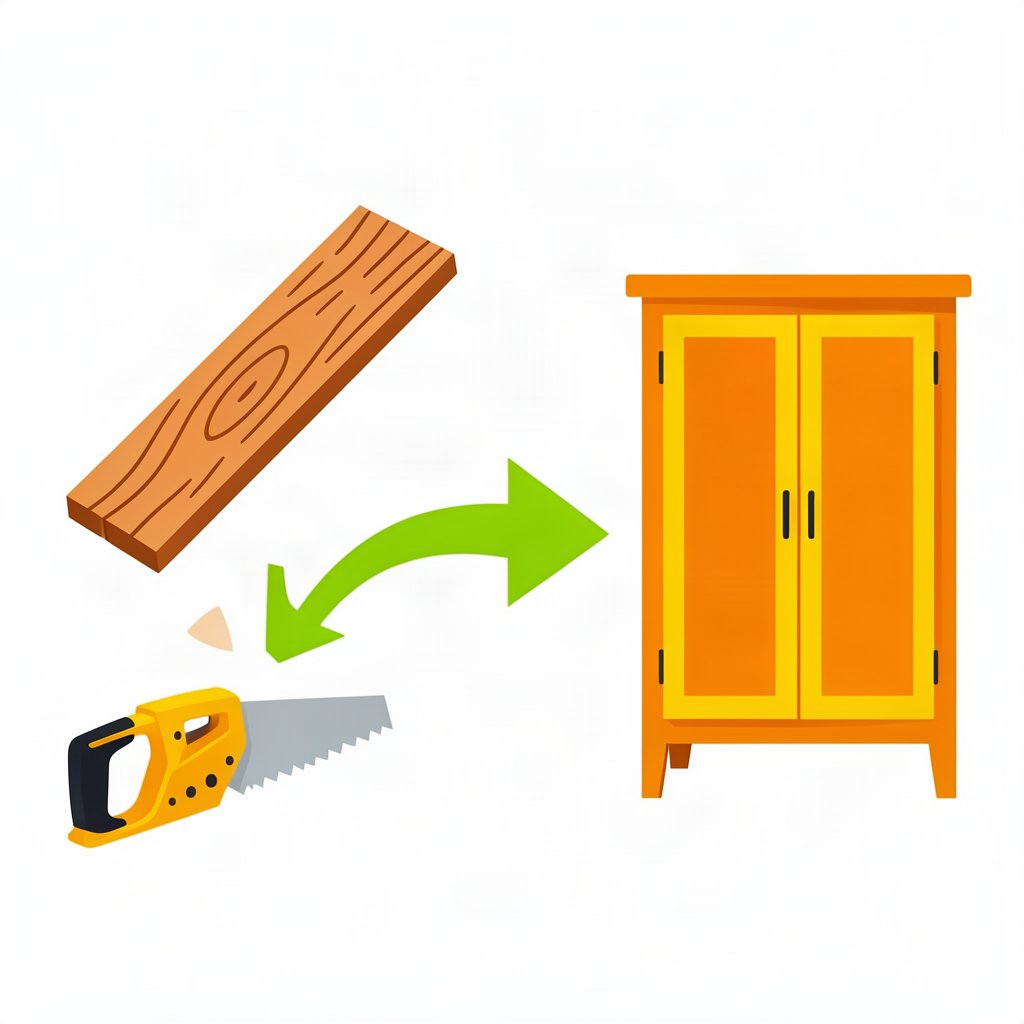
Naperville summers bring real humidity — the same moisture that makes stock cabinets sag, swell, and delaminate. The custom cabinet journey starts with material selection built for climate durability and ends with cabinets fitted to your exact space. If you are here looking into cabinet installation, the sections below walk through the process from the first quote to the finished job.
The phases
- Phase 1: Material selection & climate durability
- Phase 2: Design and layout fit
- Phase 3: Build, finish, and installation
Compare three vetted Naperville cabinet pros — free quotes, no obligation.
The humidity test
Kiln-dried hardwoods at 10% moisture or less are the non-negotiable starting point in Naperville. The finish matters as much as the species: catalyzed and conversion varnishes create a moisture barrier standard lacquer can't match. Ask for dovetail drawers and under-mount glides — and verify the box is 3/4" plywood before you sign.
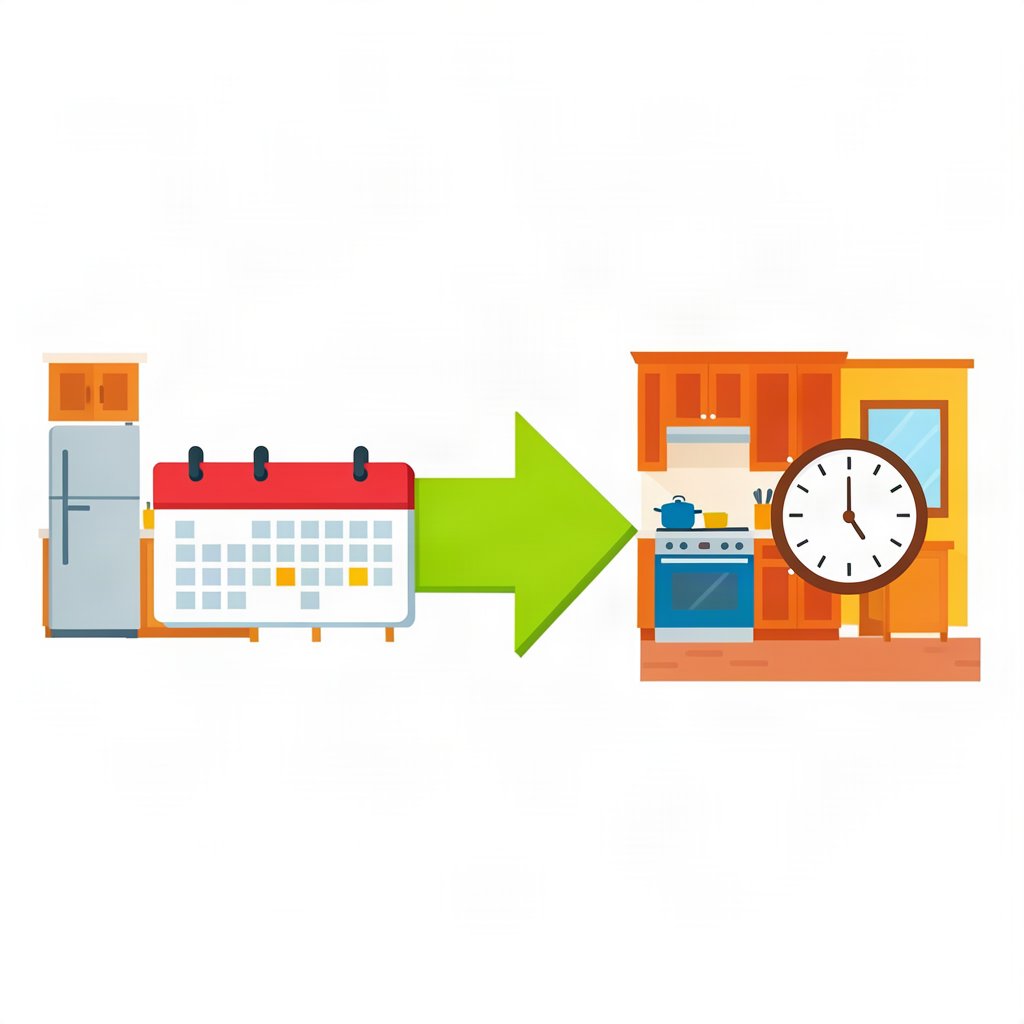
The six-stage journey, stage by stage
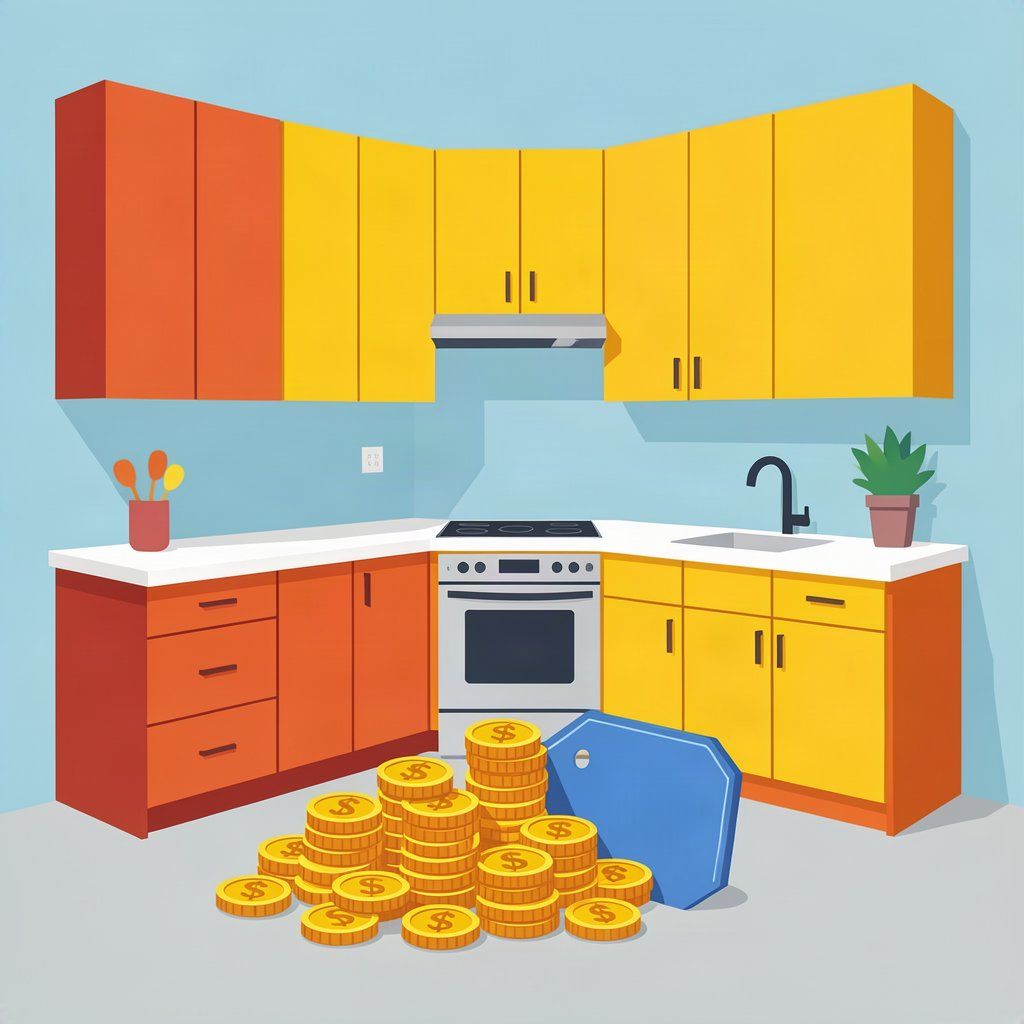
- 1. Consultation (week 1): your space, your use patterns, your budget. Bring measurements and photos; leave with a realistic range — in Naperville, full custom typically runs 12,000-35,000.
- 2. Measure & design (week 1-2): laser measurements, layout options, elevation drawings. Verify the design accounts for appliance specs and window/door clearances.
- 3. Material selection (week 2): species and finish. This is where climate enters: kiln-dried hardwoods at 10% moisture or less, plywood boxes, catalyzed finishes. Decide everything here — mid-build changes cost time and money.
- 4. Fabrication (weeks 3-7): boxes built, dovetail drawers joined, finish applied in coats. Quality checkpoints: confirm 3/4" plywood boxes and dovetail drawers before finishing begins.
- 5. Finish & QC (week 7): catalyzed topcoats, hardware fit, door alignment. Ask for the finish type and coat count — it's your moisture barrier.
- 6. Installation (week 8): leveling, scribing, shimming, alignment. Watch for the details: every door gapped uniformly, every drawer gliding silently, soft-close working on all units.
The humidity test you can do yourself
Naperville's humid summers and dry winters cycle wood constantly. A quality custom build is engineered for that cycle: kiln-dried to 10% moisture, plywood (not particleboard) boxes, and a catalyzed finish that seals the moisture out. Ask any shop: "What's your moisture standard?" If they can't answer, they're not building for this climate.
Questions to ask at every stage
- Can I see a current project in fabrication?
- What happens if a door arrives damaged?
- What does the warranty cover — and for how long?
- Who installs, and are they licensed and insured?