The Finish Is Your Cabinet's First Line of Defense
Two cabinets made from identical wood can have wildly different lifespans — because the finish, not the species, does the heavy lifting. In Naperville's climate, the finish is the difference between cabinets that look new in 2030 and cabinets that look tired in 2026. If you have been weighing up cabinet installation for a home around Naperville, IL, this guide covers how it actually works, what it tends to cost, and where the results usually fall short.
Finish types, ranked
- Lacquer (entry): the traditional spray finish. Looks great, but it's not a moisture barrier — humidity eventually finds the wood beneath.
- Catalyzed lacquer (better): a chemical hardener cross-links the finish into a tougher film. Significantly better moisture resistance and durability.
- Conversion varnish (best): the furniture-grade standard. Two-part resin creates a hard, moisture-sealing film that resists heat, chemicals, and humidity. This is what the furniture capital uses.
Coat count matters
Ask how many coats. Quality cabinets get 6-10 coats (sealer + color + build coats + topcoat). Fewer coats means less protection and less depth — the cheap route is 3 coats. A wet-edge test on the door interior tells you the truth: quality finishes build up a visible film thickness.
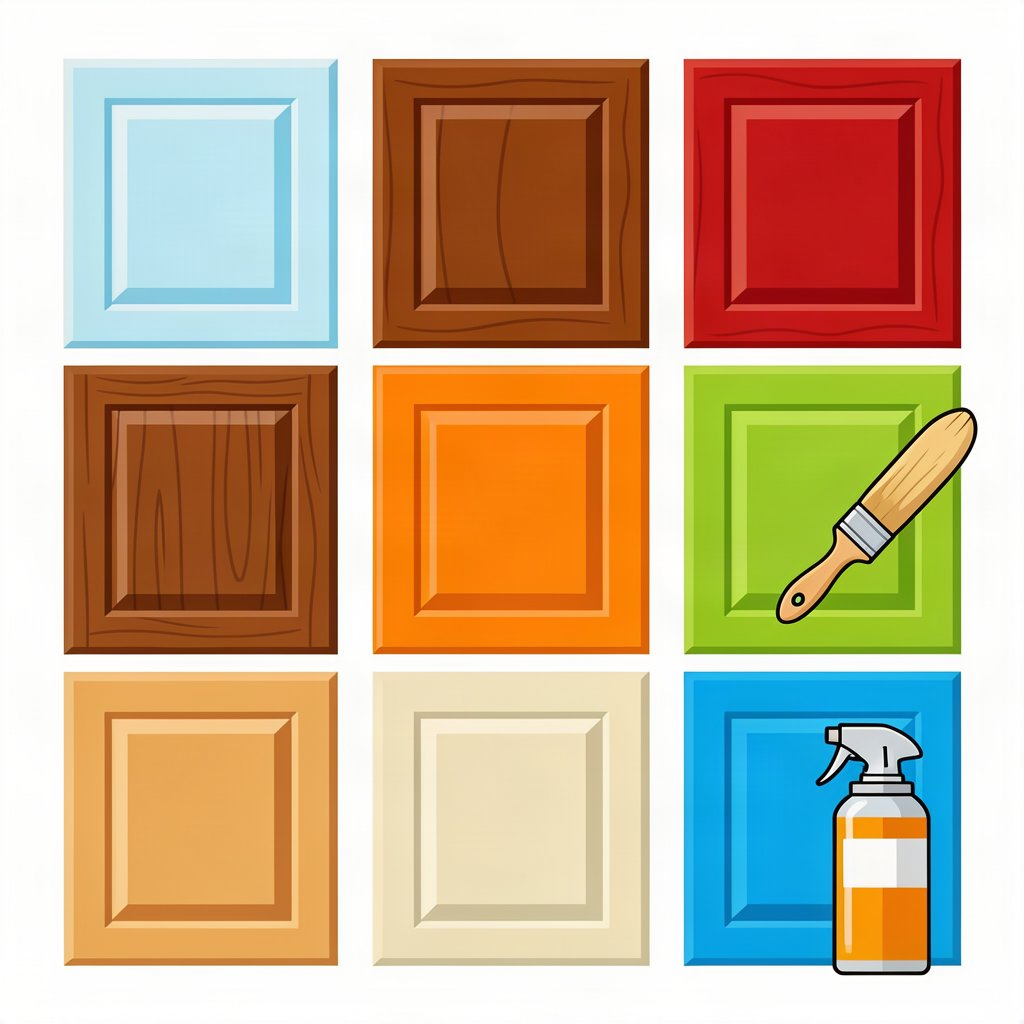
Painted vs. stained
Painted cabinets (popular in Naperville kitchens — off-whites, sage, charcoal) depend entirely on finish quality. A catalyzed topcoat protects the paint from chipping, yellowing, and kitchen grime. Stained cabinets show the wood's character, but the same finish rules apply — the topcoat is what survives the steam from your range.
The humidity test
Naperville swings from humid summers to dry winters — the exact cycle that makes finishes fail. A catalyzed finish handles the expansion-contraction cycle; lacquer checks and cracks. If a quote doesn't name the finish type, assume lacquer.
Ask every Naperville cabinet pro: "What finish system, and how many coats?" A straight answer is the mark of a quality shop.